
Key Takeaways:
- First responders may qualify for SSD benefits if a medical condition prevents substantial work.
- Eligibility depends on work credits, medical evidence, and functional limits.
- Job-related disability or retirement benefits do not automatically replace SSDI.
- A lawyer can help you with an SSDI claim.
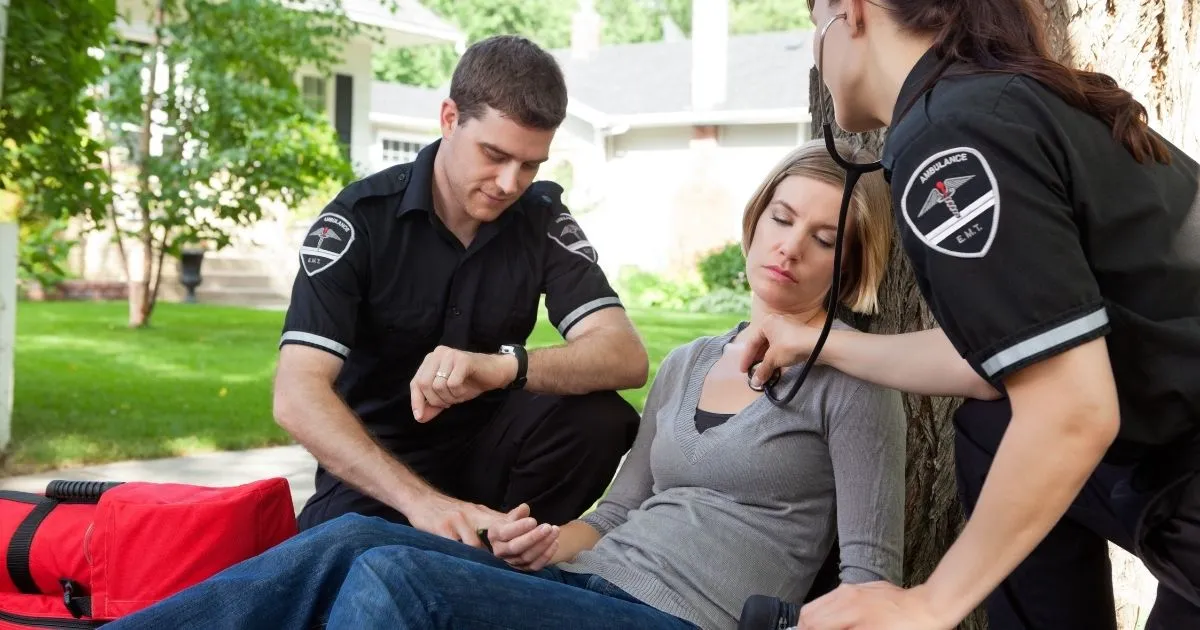
A Washington County Social Security Disability (SSD) lawyer at Osborne Law Firm helps first responders understand whether injuries, illnesses, or trauma may qualify for Social Security Disability benefits. Police officers, firefighters, EMTs, paramedics, dispatchers, correctional officers, and other emergency workers spend years protecting Northwest Arkansas, but the physical and emotional demands of the job can make continued employment impossible.
In Washington County, first responders may serve near Dickson Street, the University of Arkansas, I-49, College Avenue, and Washington Regional Medical Center. Back injuries, cardiac conditions, PTSD, respiratory illness, traumatic brain injuries, and joint damage can affect whether someone can keep working.
How SSDI Benefits Work for First Responders
Social Security Disability Insurance, or SSDI, is a federal benefit for workers who paid into Social Security and can no longer perform substantial work because of a qualifying disability. The Social Security Administration (SSA) explains eligibility here.
First responders are not approved simply because their work is dangerous. SSA focuses on whether a medical condition is expected to last at least 12 months or result in death and prevent substantial gainful activity.
Common disabling conditions may include:
- Spinal injuries
- Knee, shoulder, or hip damage
- Heart disease
- Lung disease
- Burns
- Vision or hearing loss
- PTSD
- Depression or anxiety
- Traumatic brain injury
- Chronic pain
A Washington County SSDI Lawyer at Osborne Law Firm Explains Work Credits
To qualify for SSDI, most applicants need enough work credits. SSA explains that workers need 40 credits, including 20 earned in the 10 years before disability, though younger workers may need fewer. This can matter for first responders who retire early, move into light duty, or stop working after an injury. Waiting may create problems if the insured status expires.
What Evidence Helps a First Responder’s SSD Claim?
Strong evidence connects the medical condition to specific work limits. Helpful records may include:
- Emergency room records
- Specialist reports
- Imaging results
- Surgery records
- Physical therapy notes
- Mental health records
- Medication history
- Employer light-duty records
- Workers’ Compensation records
- Retirement disability paperwork
SSA offers an Adult Disability Starter Kit here to help applicants gather information before applying.
For Washington County first responders, records may come from local providers, Washington Regional, the VA, orthopedic clinics, cardiologists, pulmonologists, counselors, or occupational medicine providers.
Can Retired First Responders Still Apply for SSDI?
Yes, retirement does not automatically prevent an SSDI claim. The key questions are whether the person has enough work credits, remains insured for SSDI, and became disabled before insured status expired.
Some first responders receive pensions, Workers’ Compensation, VA benefits, or other disability payments. These benefits may affect strategy, but they do not always prevent SSDI eligibility. A lawyer can review how benefits interact.
What if My SSD Claim Is Denied?
Many SSD claims are denied initially. A denial does not mean the case is over. Applicants may request reconsideration, a hearing before an administrative law judge, and further review if needed.
Appeals often require updated medical records, clearer doctor opinions, testimony about daily limitations, and evidence showing why the applicant cannot return to past work or adjust to other work.
Frequently Asked Questions:
Can PTSD qualify a first responder for SSD benefits?
Yes. PTSD may qualify if symptoms are severe, documented, and prevent substantial work.
Can I apply if I am receiving Workers’ Compensation?
Yes. Workers’ Compensation does not automatically prevent SSDI, but benefits may interact.
Do I need to be permanently disabled?
SSA generally requires a condition expected to last at least 12 months or result in death.
A Knowledgeable Washington County SSD Lawyer at Osborne Law Firm Defends the Rights of First Responders and Helps With Their SSD Claims
If you are a Washington County first responder who can no longer work because of injury, illness, or trauma, a Washington County SSD lawyer at Osborne Law Firm can help you understand SSD eligibility, applications, and appeals. For a free consultation, call today at 479-521-7727 or contact us online. Located in Fayetteville, Arkansas, we gladly serve clients in the surrounding areas.